What do potatoes, pigs and pollinators have in common?
They’re all vital in feeding the growing human population – but modern intensive farming has created huge problems we can no longer ignore.
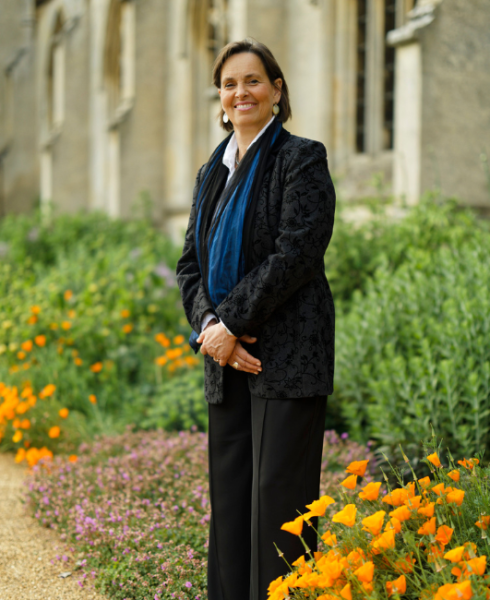
“We’re taking more out of the environment than the environment can sustain. If you consider nature as capital, it’s like liquidating your assets,” says Lynn Dicks, Professor of Ecology in the Department of Zoology.
From declining biodiversity to the rise of pests and pathogens, agriculture has pushed the natural systems we depend on out of kilter.
Across the University, researchers are trying to find ways to produce enough healthy food for the world without the collateral damage.
Plant scientist Sebastian Eves-van den Akker is using AI and genetics to develop potatoes that resist the nematode pests now in soils around the world, without using harmful chemicals;
Veterinary scientists Lucy Weinert and Dan Tucker are tracking the rise of infectious disease in intensive pig farming, aiming to design surveillance programmes and vaccines to reduce disease risk to animals and humans;
Ecologist Lynn Dicks is evaluating nature-friendly farming approaches, like Regenerative Agriculture, to see if they live up to the hype.
Sustainable food production depends on farmer led innovation and rigorous science working together.
Read more about Professor Eves-van den Akker’s work and the Cambridge-wide network getting involved in one of the greatest challenges of the 21st century.
Read the full article: Can science help farmers produce the food we need in a more sustainable way?
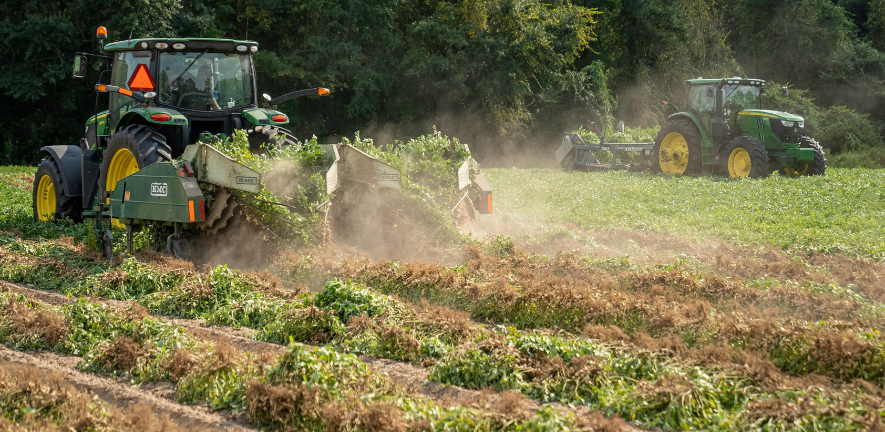
Potato farming by Mark Stebnicki on Pexels.