April 2023
The Leverhulme Trust have awarded Crop Science Centre scientists a grant for developing technology capable of overcoming the resistance of crop-damaging nematode worms to genetic alteration. This technology will be similar to the COVID-19 vaccine, where a special molecule is wrapped in a fatty layer to protect it and make it easier to deliver.
Nematodes are tiny parasitic worms that cause over $100 billion of damage to crops every year. By enabling fundamental research into their biology, this technology could not only help accelerate research into controlling these crop-damaging parasites, but also other genetically ‘hard-to-edit’ species.
Sebastian Eves-van den Akker, who will be leading this research, said “It’s like some covid vaccines, where you wrap an mRNA in a lipid nanoparticle. We want to use this technology to deliver CRISPR into the germline of nematodes, thereby editing their sex cells so that their progeny are genome edited.
This will allow us to engage in fundamental research into the role of genes, in this case in nematodes. Understanding which nematode genes are important for parasitism could lead to new ways to control theses parasites in agriculture.”
This research will build on the work of the TransPPN consortium, led by the University of Cambridge, an open global knowledge exchange forum aimed at making the genetic modification of plant-parasitic nematodes a reality.
If successful, the new technology will allow genome editing in the parasitic nematode worms, which could help reveal understanding that has a long-lasting impact on global agriculture. This could be a game-changer, offering a low-cost, simple, and efficient way to edit the genes of pests.

News
November 2025
COP30 film highlights how Crop Science Centre collaborations are empowering farmers through sustainable innovation

News
October 2025
Professor Uta Paszkowski appointed co-Director of ENSA in new joint leadership to accelerate breakthrough crop science for smallholder farmers
News
October 2025
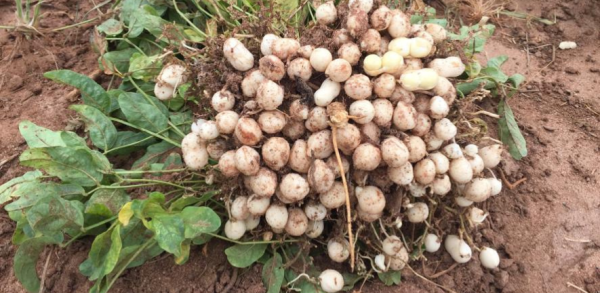
Unlocking the potential of Bambara groundnut for food security and climate resilience

News
October 2025
Celebrating the power of international partnerships to deliver impact from science
News
June 2025
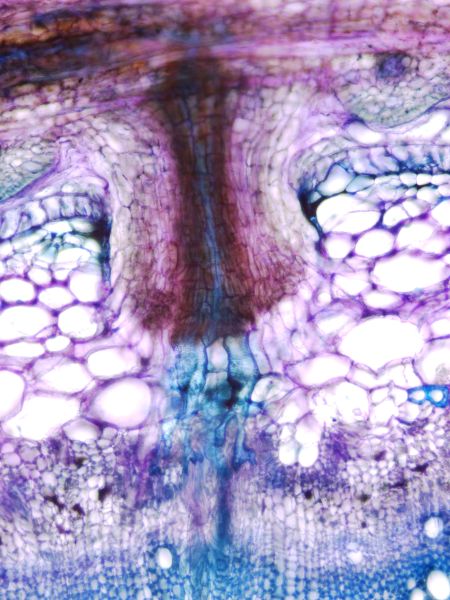
How Plants Tailor Organ Development to Engage with Friends and Foes in Symbiotic Interactions

News
May 2025
Uta Paszkowski elected to the National Academy of Sciences
News
April 2025
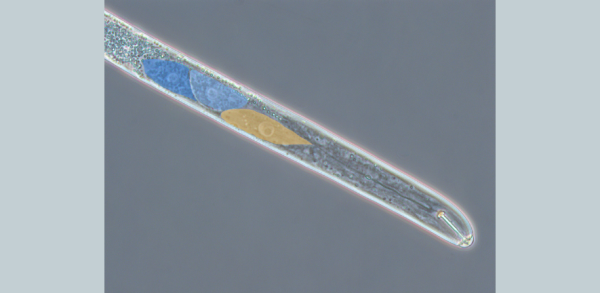
Disrupting ‘communication’ with plants could limit cyst nematode infections

News
January 2025
Dr Victor Souza Coordinates Editorial on Plant-Parasitic Nematodes and Sustainable Crop Management
News
January 2025
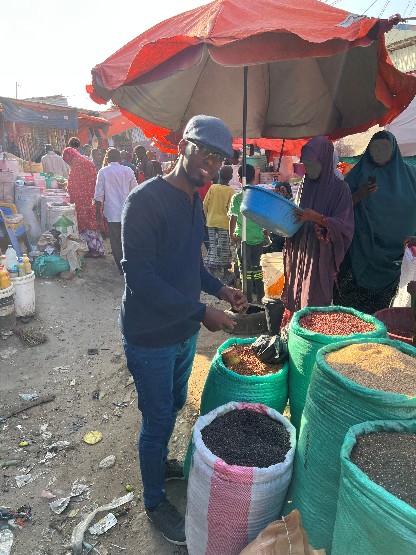
Ahmed's Research visit to Somalia

News
January 2025
Applying conventional and cell-type-specific CRISPR/Cas9 genome editing in legume plants

News
January 2025
Using fungus to protect key crops in Brazil

News
October 2024
Precision breeding: legislation, applications, and implications for the UK