August 2024
Researchers from the Plant-Parasite Interactions group at the Crop Science Centre have made a significant breakthrough in understanding how plant-parasitic nematodes infect crops. These tiny parasitic worms pose a serious threat to global food security by secreting special proteins, called effectors, from their pharyngeal gland cells. These effectors help the nematodes suppress the plant’s immune system and create a feeding organ to draw nutrition from the host plant.
Until now, there has been no comprehensive identification and characterisation of the effectors used by any plant-parasitic nematode. To address this, the multi-institutional team of scientists behind this research developed advanced techniques for isolating gland cells and analysing their gene activity. They focused on the cyst nematode Heterodera schachtii at three key life stages. Their research identified 717 effector genes, including 269 genes related to known effectors and 448 new ones. This is the most detailed “effectorome” of a plant-parasitic nematode to date.
Using this effector definition, the researchers were able to study the properties of the plant-parasitic nematode effectorome, such as when effector genes originated, and how their deployment is coordinated. Identifying the full range of effectors used by a plant pathogen is crucial for understanding how it causes disease, as well as for developing ways to protect crops. Knowledge of these effectors can also be used to interrogate fundamental plant processes themselves.
“Our findings offer a detailed map of the molecular tools that nematodes use to parasitise plants, which is important for developing effective crop protection strategies,” said Beth Molloy, the lead author of the study. “By understanding the molecular mechanisms underpinning interactions between host and parasite, we can work towards mitigating the significant threats that these parasites pose to global food security”.
A link to the research can be found here The origin, deployment, and evolution of a plant-parasitic nematode effectorome | PLOS Pathogens

News
November 2025
COP30 film highlights how Crop Science Centre collaborations are empowering farmers through sustainable innovation

News
October 2025
Professor Uta Paszkowski appointed co-Director of ENSA in new joint leadership to accelerate breakthrough crop science for smallholder farmers
News
October 2025
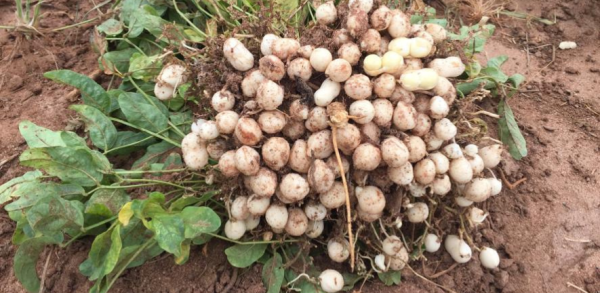
Unlocking the potential of Bambara groundnut for food security and climate resilience

News
October 2025
Celebrating the power of international partnerships to deliver impact from science
News
June 2025
How Plants Tailor Organ Development to Engage with Friends and Foes in Symbiotic Interactions

News
May 2025
Uta Paszkowski elected to the National Academy of Sciences
News
April 2025
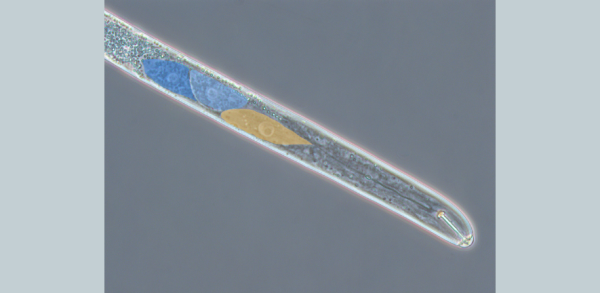
Disrupting ‘communication’ with plants could limit cyst nematode infections

News
January 2025
Dr Victor Souza Coordinates Editorial on Plant-Parasitic Nematodes and Sustainable Crop Management

News
January 2025
Ahmed's Research visit to Somalia

News
January 2025
Applying conventional and cell-type-specific CRISPR/Cas9 genome editing in legume plants

News
January 2025
Using fungus to protect key crops in Brazil

News
October 2024
Precision breeding: legislation, applications, and implications for the UK