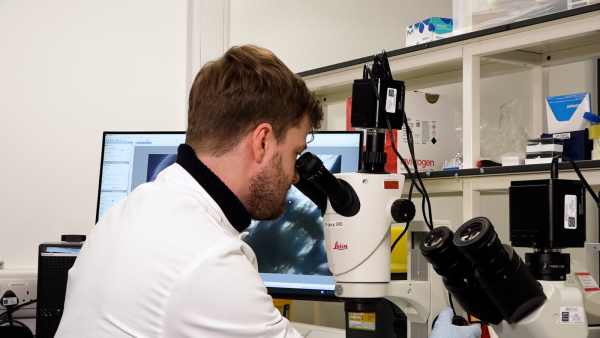
This week the ERC approved a grant for the E-biogenesis project, which aims to investigate methods of blocking crop parasitism by attacking the biogenesis machinery that produces the molecules that cause disease.
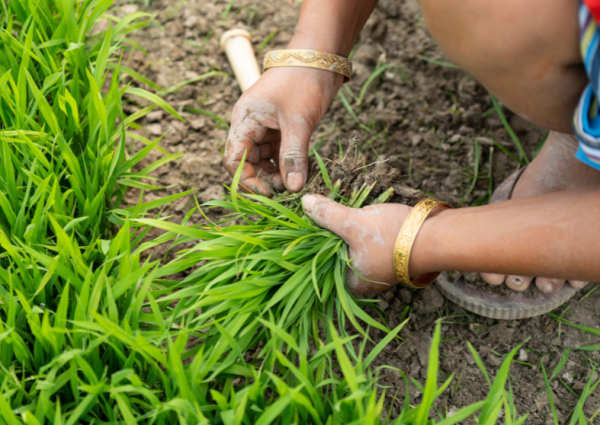
Plant-parasitic nematodes threaten global food security. Latent infections are set to explode across Europe in the near future with the phasing out of existing chemical controls. The demand for new solutions highlights significant knowledge gaps necessary to achieve them.
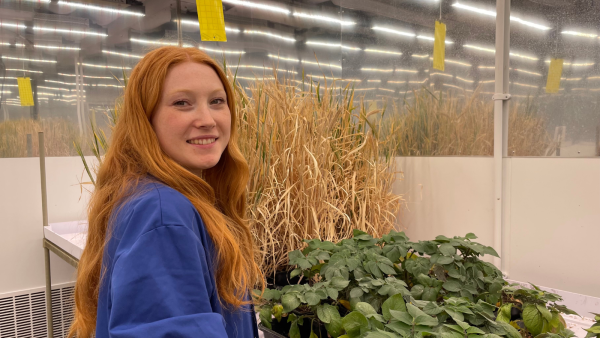
Led by the Crop Science Centre, the vision of the E-biogenesis project is centred on the ability of nematodes to produce molecules that cause disease; so called “effectors”. Blocking effectors blocks parasitism. However, blocking individual effectors is insufficient. Rather, the team proposes we should attack the features that unite most effectors; their biogenesis machinery.
Dr Sebastian Eves-van den Akker from the Crop Science Centre, said “Surely, effector biogenesis (E-biogenesis) is the Achilles heel of the nematode.”
“Effector biogenesis has not been studied for 30 years because the system was intractable. With our recent development in functional genetics, the E-biogenesis team is now well placed to dissect this strategically important knowledge gap. We hope that this research will highlight a multiplicity of attractive targets for the biotechnological control of globally important plant pests. To achieve this, we will need to open a whole new area of effector study, contribute new fundamental knowledge of strategic relevance, and provide a platform for a paradigm shift from individual effectors to a holistic view of effector biogenesis.”