August 2024
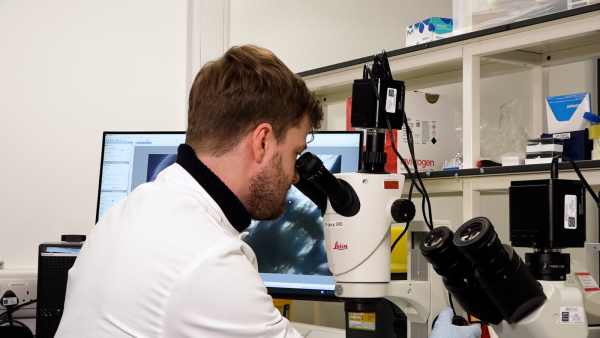
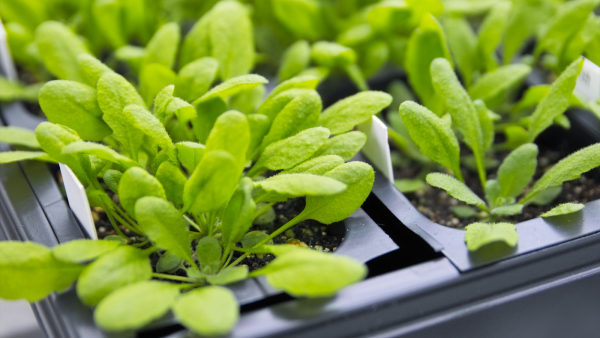
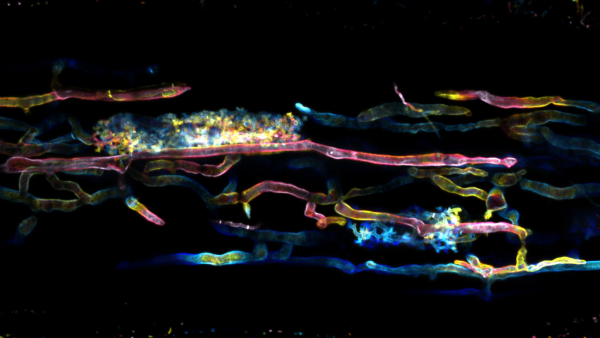
Researchers from the Plant-Parasite Interactions group at the Crop Science Centre have made a significant breakthrough in understanding how plant-parasitic nematodes infect crops. These tiny parasitic worms pose a serious threat to global food security by secreting special proteins, called effectors, from their pharyngeal gland cells. These effectors help the nematodes suppress the plant’s immune system and create a feeding organ to draw nutrition from the host plant.
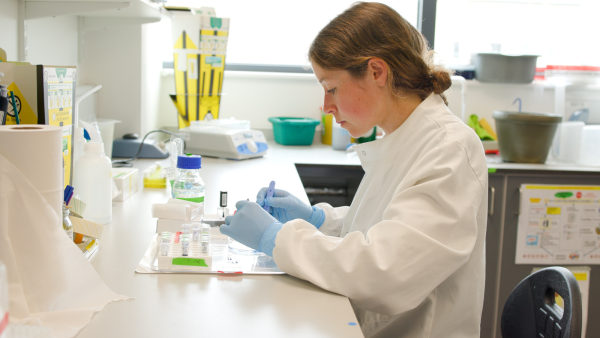
Until now, there has been no comprehensive identification and characterisation of the effectors used by any plant-parasitic nematode. To address this, the multi-institutional team of scientists behind this research developed advanced techniques for isolating gland cells and analysing their gene activity. They focused on the cyst nematode Heterodera schachtii at three key life stages. Their research identified 717 effector genes, including 269 genes related to known effectors and 448 new ones. This is the most detailed “effectorome” of a plant-parasitic nematode to date.
Using this effector definition, the researchers were able to study the properties of the plant-parasitic nematode effectorome, such as when effector genes originated, and how their deployment is coordinated. Identifying the full range of effectors used by a plant pathogen is crucial for understanding how it causes disease, as well as for developing ways to protect crops. Knowledge of these effectors can also be used to interrogate fundamental plant processes themselves.
“Our findings offer a detailed map of the molecular tools that nematodes use to parasitise plants, which is important for developing effective crop protection strategies,” said Beth Molloy, the lead author of the study. “By understanding the molecular mechanisms underpinning interactions between host and parasite, we can work towards mitigating the significant threats that these parasites pose to global food security”.
A link to the research can be found here The origin, deployment, and evolution of a plant-parasitic nematode effectorome | PLOS Pathogens

News
June 2026
Uta Paszkowski appointed Director of the Crop Science Centre and Russell R. Geiger Professor of Crop Science

News
May 2026
Cambridge plant scientists elected as Fellows of the Royal Society 2026
News
May 2026
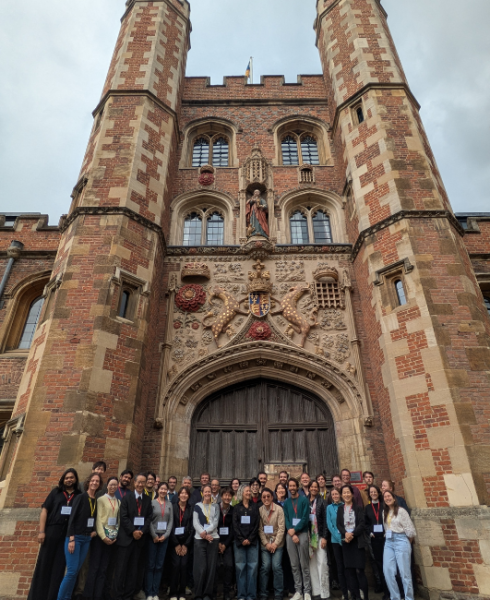
Cambridge Plant Sciences hosts ASPIRE-GreenTE network event
News
May 2026
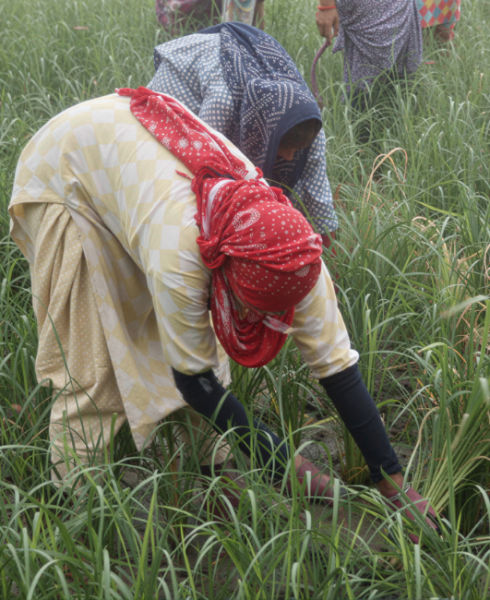
Naturally occurring soil fungi could boost rice yields while reducing reliance on synthetic fertilisers

News
May 2026
Can we feed the world without breaking the planet?

News
April 2026
NAS honours Professor Uta Paszkowski at official signing ceremony

News
March 2026
Hacking for hunger: global scientists gather in Accra to code climate-resilient crops

News
March 2026
CEO Professor Mario Caccamo leaving Niab

News
February 2026
Global experts meet in Cambridge to advance the future of the Bambara groundnut

News
February 2026
How genebanks helped Ahmed bring back cowpea to Somalia

News
February 2026
How I’m helping rice farmers in India harness the power of fungi in the soil

News
November 2025
COP30 film highlights how Crop Science Centre collaborations are empowering farmers through sustainable innovation