Uta Paszkowski recognised as a 2026 Top Agri-food Pioneer by the World Food Prize Foundation
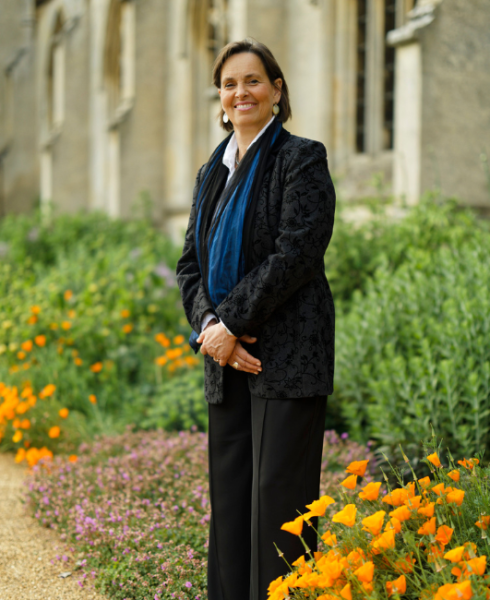
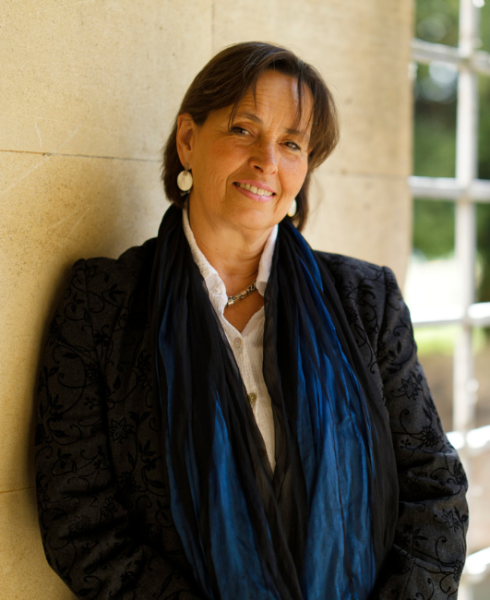
Professor Uta Paszkowski, Director of the Crop Science Centre and Head of the Cereal Symbiosis group at the Department of Plant Sciences, has been named as a 2026 Top Agri-food Pioneer by the World Food Prize Foundation.
The Top Agri-food Pioneers (TAP) initiative recognises global innovators who are advancing agriculture and food systems through science-driven solutions, practical impact and collaborative leadership. In 2026, the Foundation is honouring 40 pioneers from around the world as part of its 40th anniversary celebrations.
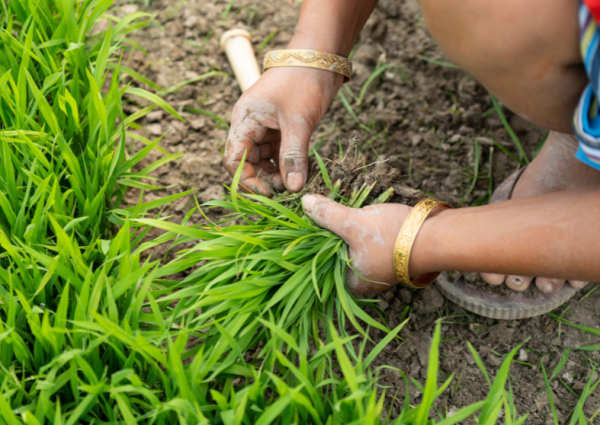
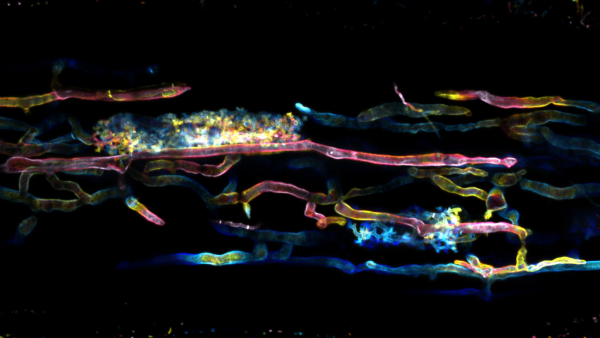
Professor Paszkowski is internationally recognised for her pioneering research into beneficial relationships between plants and soil fungi, known as arbuscular mycorrhizal symbioses. These ancient partnerships help crops access nutrients from the soil and have significant potential to support more sustainable agricultural systems.
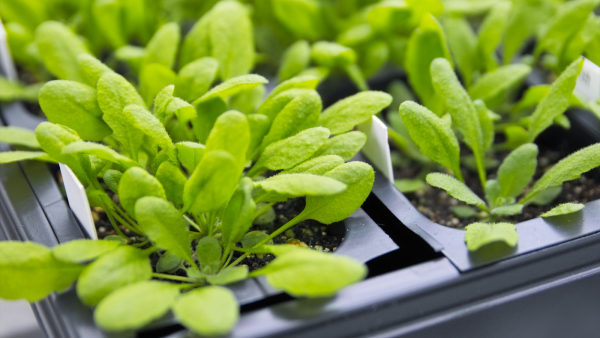
Throughout her career, Professor Paszkowski has advanced understanding of how major cereal crops such as rice and maize communicate with beneficial fungi and exchange nutrients. Her research has revealed key molecular mechanisms that enable these interactions and has helped establish rice and maize as leading model systems for studying plant–fungal symbioses.
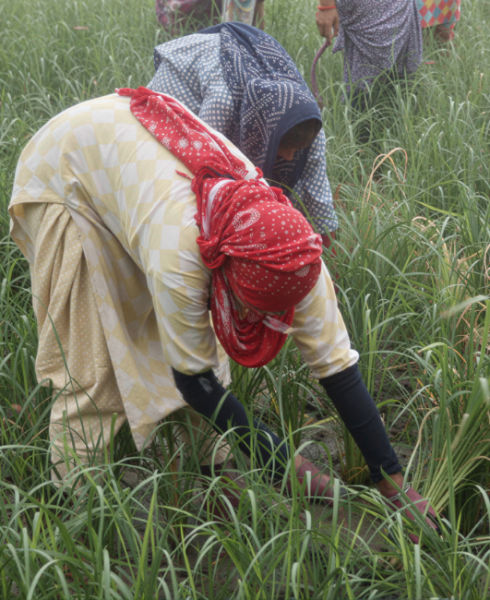
Strengthening and scaling this symbiosis offers a viable alternative to conventional fertilisers, which pose environmental risks and remain expensive for smallholder farmers. She regularly collaborates with farmers, private companies and researchers to trial improved cultivars. By unlocking the genetic mechanisms of symbiotic nutrient exchange, her work is creating new opportunities for low-input, high-yield agriculture.
“I am deeply honoured to be recognised as a 2026 Top Agri-food Pioneer by the World Food Prize Foundation,” said Professor Paszkowski. “This recognition reflects the dedication, creativity and hard work of the many students, researchers and collaborators I have had the privilege to work with throughout my career.
“Understanding how crops can partner with beneficial soil microorganisms offers exciting opportunities to support more sustainable agriculture, and I am grateful to see this work recognised alongside so many inspiring innovators from around the world.”
This latest recognition adds to a series of distinguished honours celebrating Professor Paszkowski’s contributions to plant science and sustainable agriculture. Her work spans fundamental scientific discovery and translational research, with a focus on developing nature-inspired solutions to some of agriculture’s most pressing challenges.
Professor Paszkowski’s recognition underscores the growing importance of science-led crop innovation in building more resilient, sustainable and equitable food systems for the future.
The 2026 Top Agri-food Pioneers will be recognised during the Borlaug Dialogue in Des Moines, Iowa, in October.